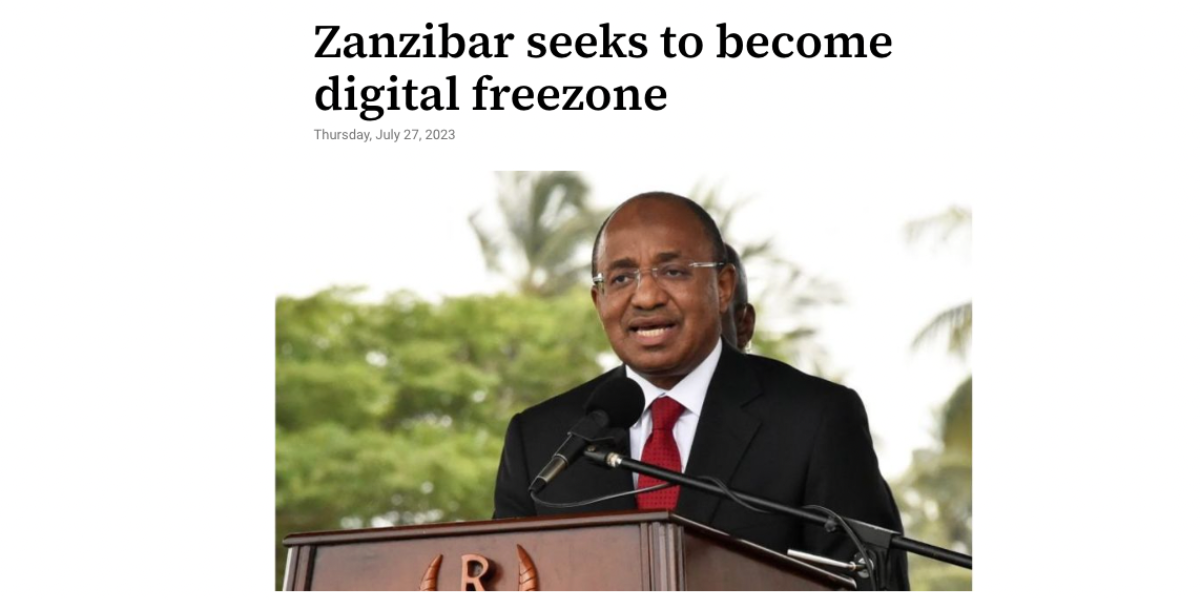
Zanzibar Seeks to Become a Digital Freezone
Zanzibar is positioning itself as a digital freezone to reduce reliance on tourism and attract global technology, innovation, and digital entrepreneurship.

Zanzibar has announced ambitions to transform itself into a digital freezone, signaling a strategic shift away from an economy heavily dependent on tourism toward one driven by technology, digital services, and innovation.
The initiative was reported by The Citizen in the article “Zanzibar seeks to become digital freezone”, which can be found here: https://www.thecitizen.co.tz/tanzania/zanzibar/zanzibar-seeks-to-become-digital-freezone--4316150
Why Zanzibar Is Looking Beyond Tourism
For decades, tourism has been the backbone of Zanzibar’s economy. While lucrative, this dependency has made the islands vulnerable to global shocks — from pandemics to geopolitical instability and climate-related disruptions.
By investing in digital infrastructure and positioning itself as a digital freezone, Zanzibar aims to:
- diversify its economic base
- create high-skilled jobs for its growing youth population
- attract international technology companies and digital entrepreneurs
- increase long-term economic resilience
This move reflects a broader continental and global trend where nations are rethinking how value is created in a digital-first world.
What a “Digital Freezone” Means in Practice
According to the article, the vision for Zanzibar’s digital freezone includes:
- modern ICT infrastructure
- streamlined regulatory frameworks for digital businesses
- incentives designed to attract foreign and local tech investment
- support for online businesses, remote work, and digital services
Unlike traditional free zones focused on manufacturing or logistics, a digital freezone emphasizes intangible infrastructure — data, connectivity, platforms, and digital talent.
Institutional Push and Infrastructure Plans
The initiative is being driven by government institutions responsible for ICT development, with plans reportedly including:
- improved international connectivity
- data and cloud infrastructure
- digital service platforms for business registration and operations
The goal is to make Zanzibar competitive not only regionally, but globally, as a jurisdiction where digital businesses can operate efficiently and legally.
A Signal of a Larger Shift
Zanzibar’s announcement is part of a growing realization across governments: the digital economy is no longer optional — it is foundational.
Digital freezones are emerging as experimental spaces where countries can:
- test new regulatory models
- attract global capital without physical relocation
- empower local populations with digital skills and opportunities
Whether Zanzibar’s vision succeeds will depend on execution, governance, and its ability to align infrastructure, policy, and human capital.
What is clear, however, is that the conversation has begun — and it reflects a deeper rethinking of how economies can evolve in a post-industrial, digitally interconnected world.
More News & Updates
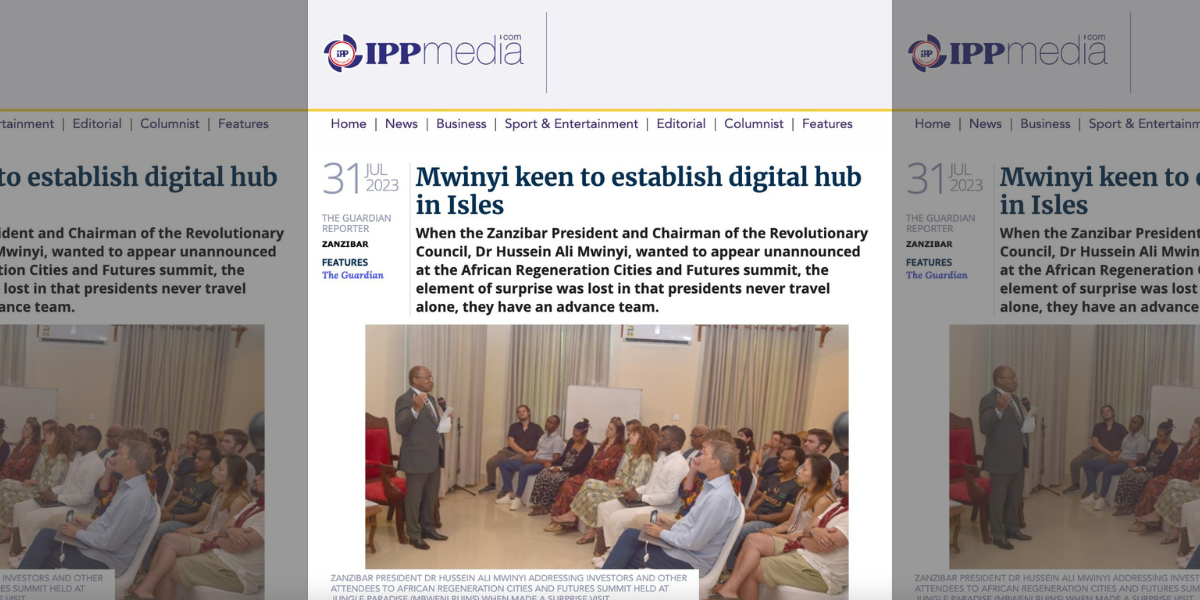
Zanzibar’s President Hussein Ali Mwinyi has articulated plans to transform the islands into a digital hub — expanding digital infrastructure, attracting tech investment, and positioning Zanzibar as a global spot for innovation.
Project Mycelium is reshaping its tokenomics around a Yin–Yang inspired model, pairing AUR’s stability with SPORE’s growth.

From Mombasa to Zanzibar, DePIN Summit 2025 showcased the future of decentralized infrastructure on the ground in Africa.